Did you know that angels in the Bible don’t have wings? Or that cherubim are not cute, chubby babies? In this video, we explore the biblical portrayals of angels and cherubim to understand just who they are and what role they play in the story of the Bible.
Special thanks to Dr. Michael S. Heiser, author of “The Unseen Realm,” for script consulting on this series.
Forfatter / underviser: BibleProject
-

Angels and Cherubim • Who They Are and What They Do (Spiritual Beings Series Episode 4)
-

Biblical Law
Have you ever wondered why there are so many ancient biblical laws in the first books of the Bible? What are modern readers supposed to do with them, and why are some of them so odd? In this video, we explore why the laws were given to ancient Israel and how they fit into the overall storyline of the Bible.
-
Who the Angel of the Lord Is (and What the Angel Does) • Spiritual Beings Ep. 5
The Angel of the Lord is one of the most fascinating spiritual beings in the Hebrew Scriptures. Every time this figure appears, he’s depicted as if he is God, but also an angel sent by God. In this video, we explore this paradoxical character and discover how he prepares us for the grand claims that will be made about Jesus in the New Testament.
Special thanks to Dr. Michael S. Heiser, author of “The Unseen Realm,” for script consulting on this series. -
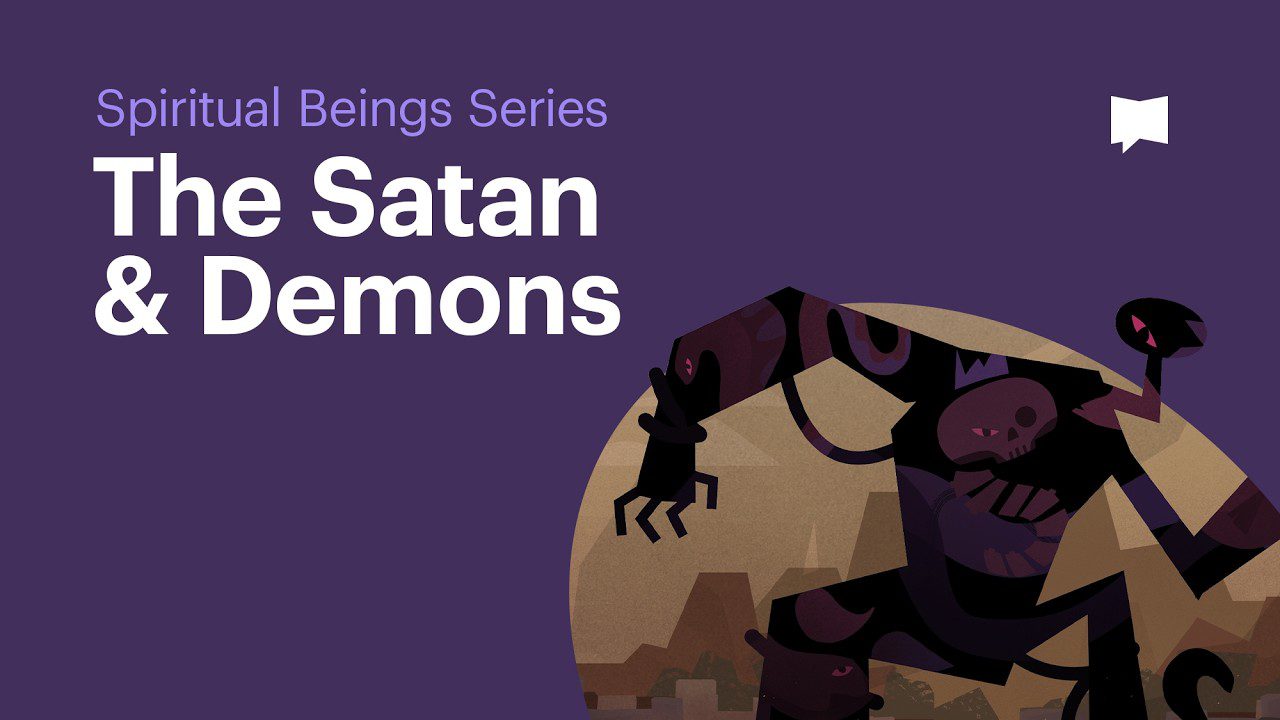
The Satan and Demons • Understand Evil Spiritual Beings in the Bible (Spiritual Beings Series Ep 4)
The storyline of the Bible presents a populated spiritual world, full of creatures who are in rebellion against their Creator, just like humans. For lots of fascinating reasons, our modern conceptions of the Satan and demons are based on serious misunderstandings of the Bible. So let’s go back to the book of Genesis and start over as we learn about the powers of spiritual evil in the story of the Bible.
-
The New Humanity • The New Kind of Existence We’re Invited To (Spiritual Beings Series Episode 7)
In the opening pages of the Bible, God appoints humans to rule the world on his behalf. But when they rebel, the biblical story leads us on a search for a new humanity that will be God’s faithful partners, forever. This is the plot conflict of the biblical story that leads to Jesus, and we explore it in this final video of our Spiritual Being series.
-
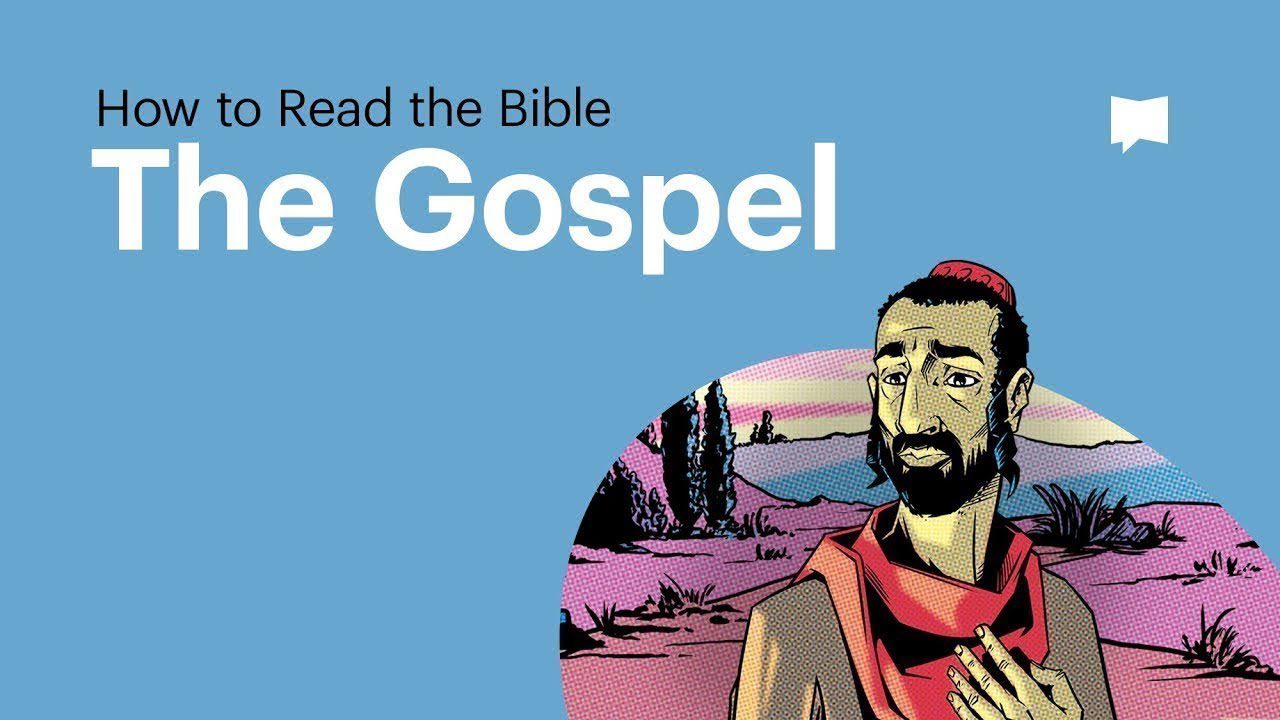
The Gospel
The New Testament contains four ancient biographies of Jesus of Nazareth, and altogether they are called “the Gospel.” Each one tells the story as an announcement of good news that the crucified and risen Jesus is the true ruler of the nations. In this video, we explore why these accounts were written and how you can read them with greater insight.
-
Witness
In the Bible, the word “witness” is used to describe both a person and an action—someone who sees something and then talks about what they’ve seen. Similar to today, this word is used in both legal settings and to describe an experience with God. But what’s most interesting about the word witness is how it illuminates the story of Scripture, especially the role of the people of God. In this video, we explore how this word contributes to the overarching story of the Bible.
-
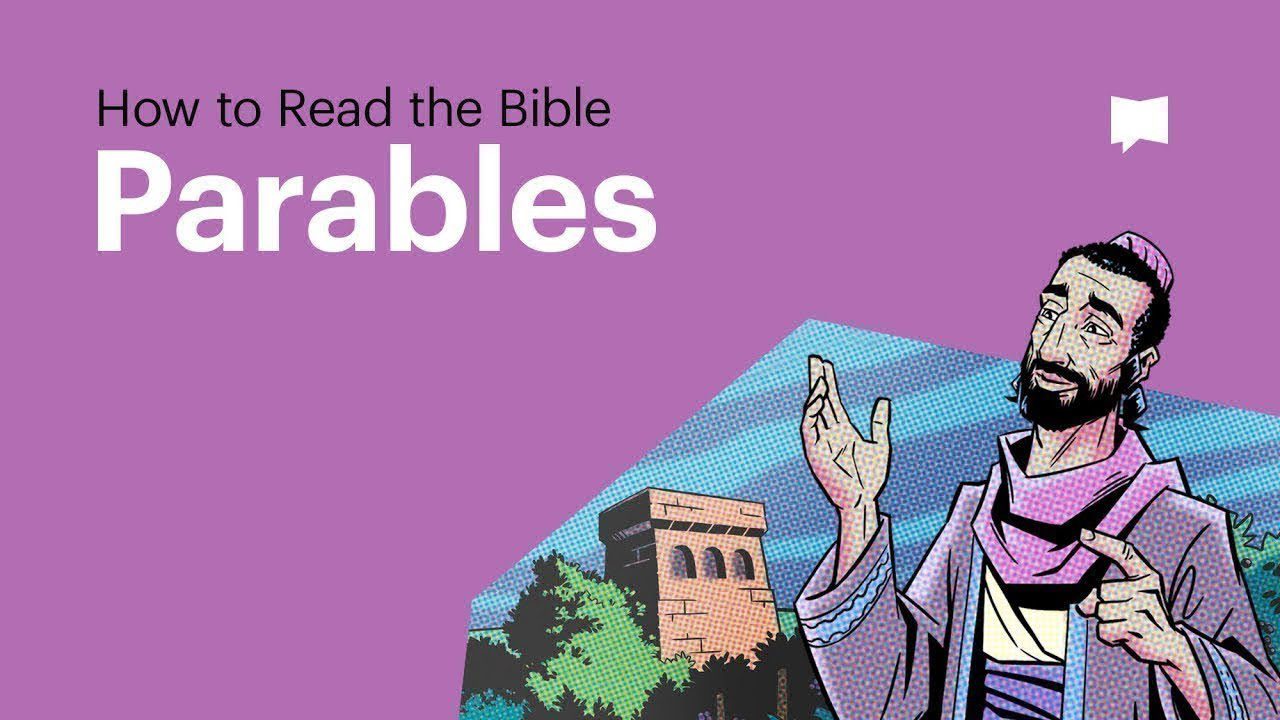
Why Jesus Told Parables (and How You Can Understand Them)
Jesus of Nazareth was a master storyteller, and many of his most well-known teachings were told as parables. But these stories were designed to do much more than simply “teach.” Jesus said the parables were designed to both reveal and conceal his message about the arrival of God’s Kingdom. In this video, we explore the main themes in Jesus’ parables and ask why he used them as the primary vehicle for his message.
-
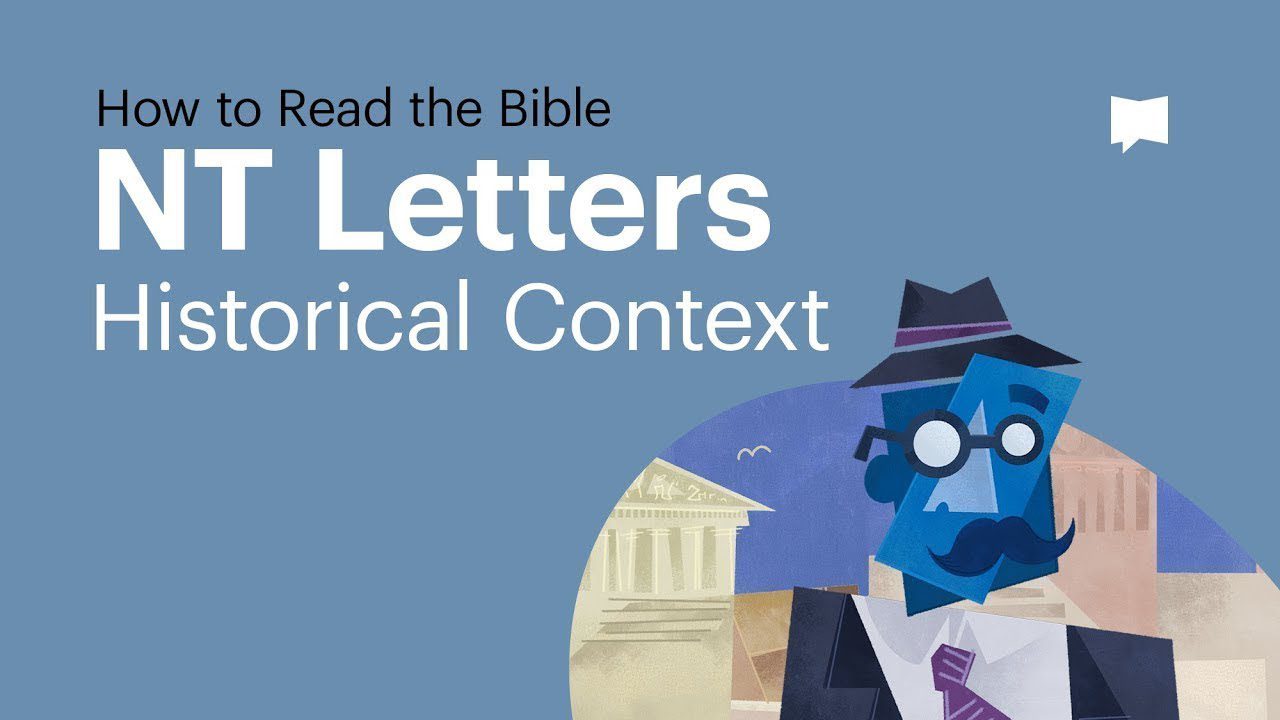
New Testament Letters: Historical Context
In the New Testament, there are 21 letters or epistles written by early Christian leaders to communities of Jesus’ followers in the ancient Roman world. A wise reading of these letters involves learning about their historical context. Who were the letters written to, where did the recipients live, and what prompted sending the letter? In this video, we explore the different layers of historical context with these letters, so that we can better understand the wisdom they still have to offer.
-
New Testament Letters: Literary Context
In the New Testament, there are 21 letters written by early Christian leaders to communities of Jesus’ followers in the ancient Roman world. These letters are rich with theology and guidance for what it means to be a community of Jesus followers, but they can also be dense and hard to understand. In this video we’ll explore the literary style of ancient letter writing and show you how to trace the core ideas from a letter’s beginning all the way to its end.