The Biblical word for “passover” shares its root with an unexpected image: a mother bird protecting her chicks. Watch and learn about one of the Bible’s most important festival meals.
Genre: Undervisning
-
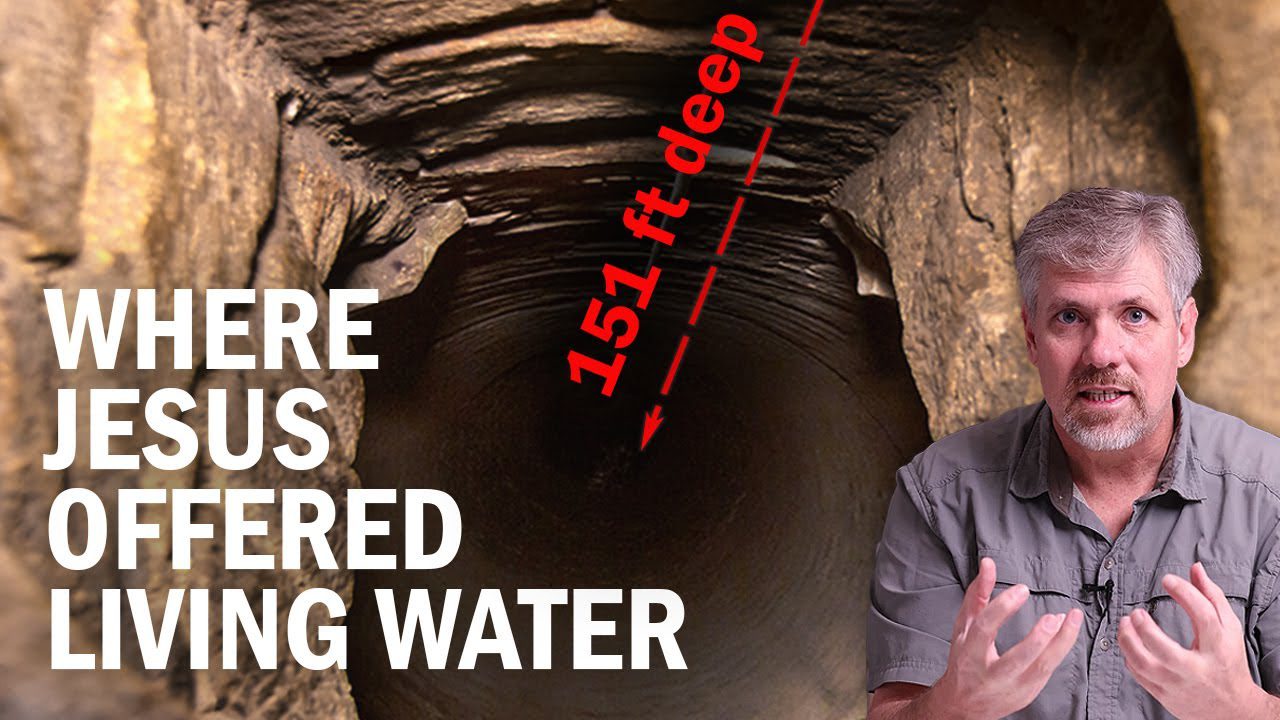
Archaeology of Jacob’s Well at Shechem
If there is one place where we can know for certain that Jesus was right there, it is at Jacob’s Well. How can we know? In the Gospel of John, chapter 4 provides key details needed to be able to trace the archaeology to anchor that well as the very place where Jesus offered the Samaritan woman “living water.”
-

The Place in Israel Where Archaeology was Born
Flinders Petrie, known as the Father of Archaeology, is credited with developing the methodology of pottery dating: identifying pottery in distinct layers and dating them to their historical periods. He first applied this practice at Tell el Hesy using the Bible as his historical reference. Unfortunately, today, the field of archeology has reversed, and now, using the Bible as a reference is seen as a discrediting bias.
-
Is this where Jesus was tried by Pontius Pilate?
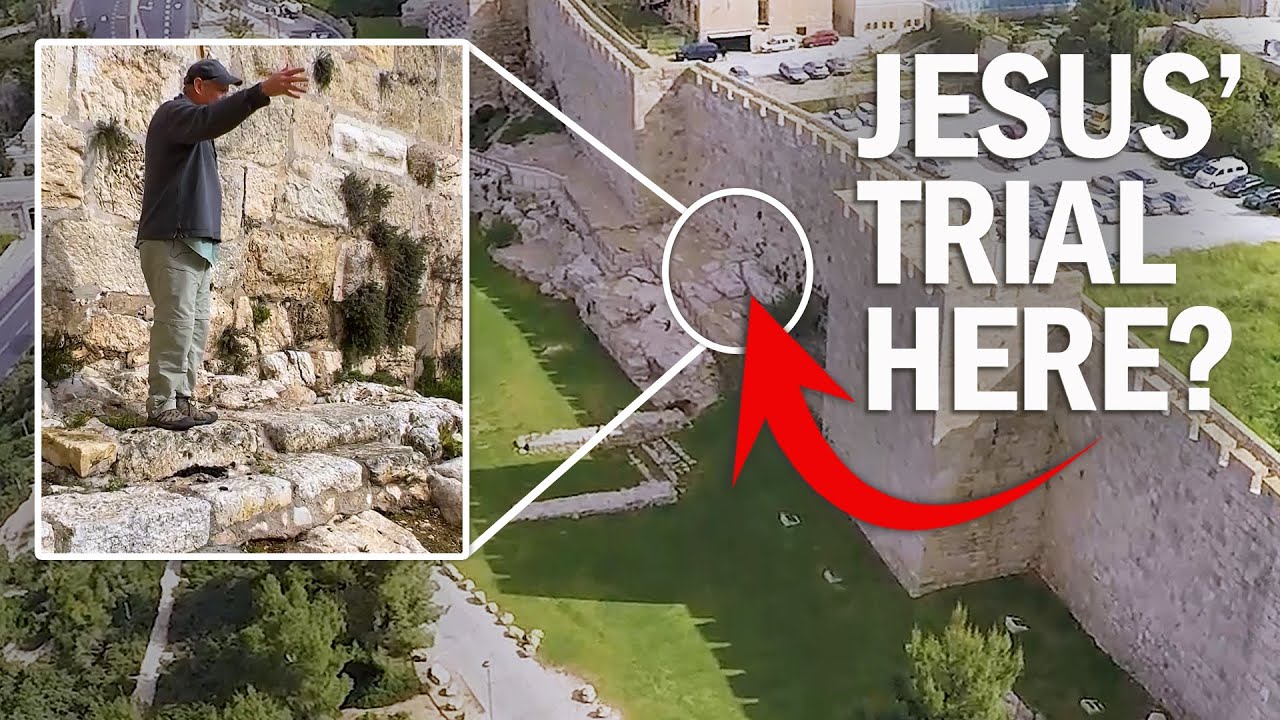
In the 1970s, excavations of the western side of Jerusalem’s Old City uncovered a monumental gate that led into Herod the Great’s palace complex. Could this be where Jesus was tried by Pontius Pilate and condemned to be crucified? What does the archaeological evidence show?
all 3D computer models ©2022 Barry Kramer -
Evidence That King David’s Descendants Survived In Exile
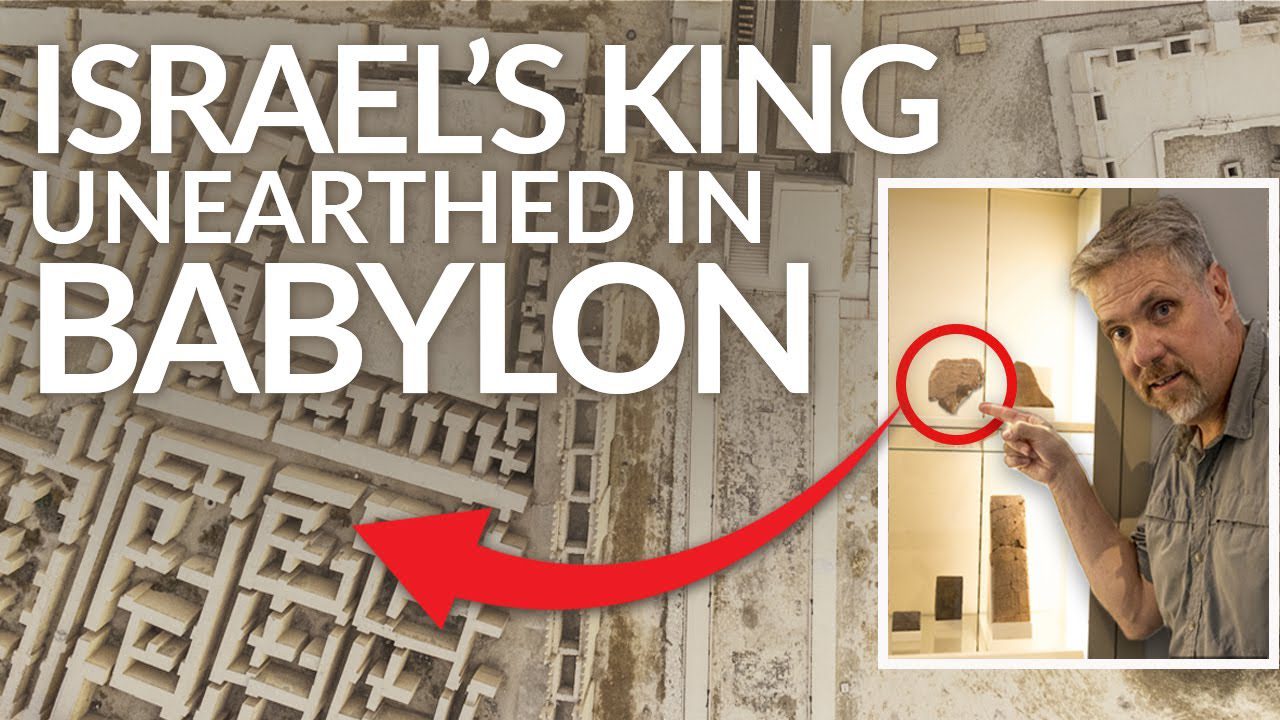
When Nebuchadnezzar destroyed Jerusalem, it appeared that King David’s descendants had not survived. However, during excavations of Babylon in 1903, archaeologist Robert Koldewey discovered an inscription mentioning the King of Judah. This find proved to be archaeological evidence demonstrating that David’s royal line lived through exile, which was necessary for God’s promise to be fulfilled that the Messiah would come from the House of David.
-
The Bible Gets It Right: Jesus’ Crucifixion Matches History
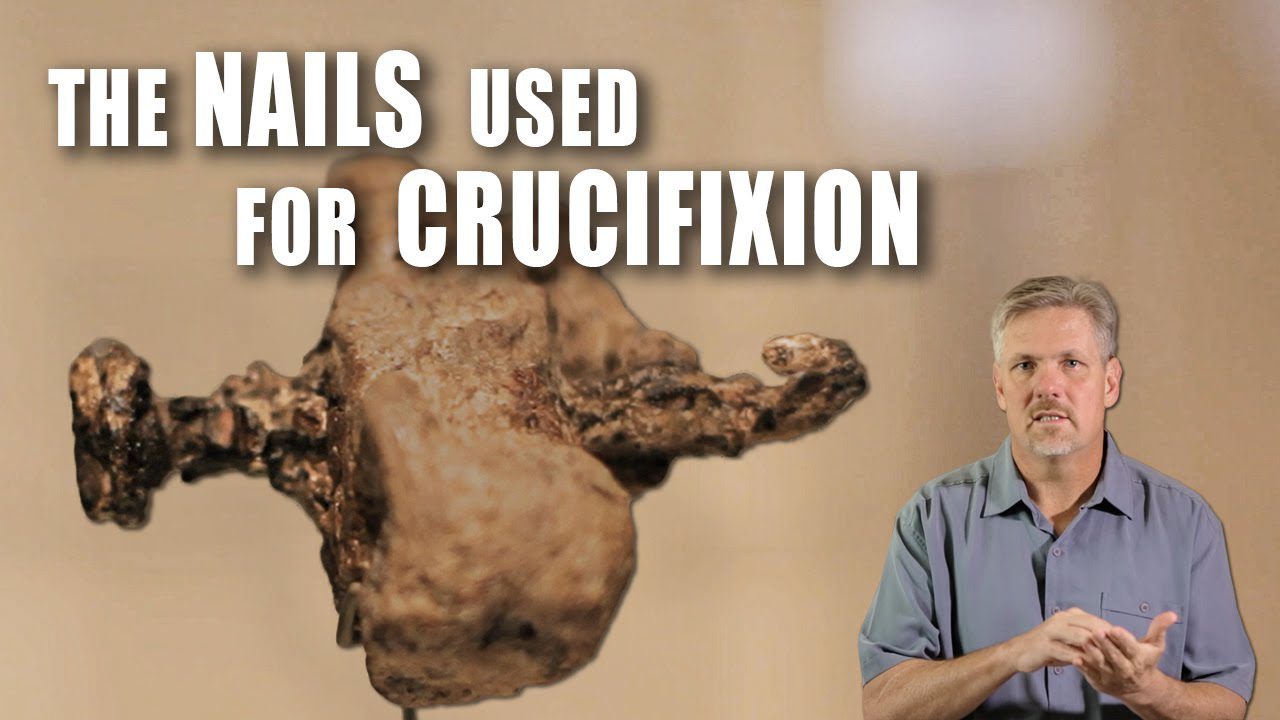
Archaeology confirms that the Bible gets it right when it gives the details describing Jesus’ crucifixion. Physical remains from other crucified men reveal that the facts stated in the Bible match Roman history. Why does the Bible get the details right? Because it tells a true story!
-
Sulfur Balls of Sodom and Gomorrah
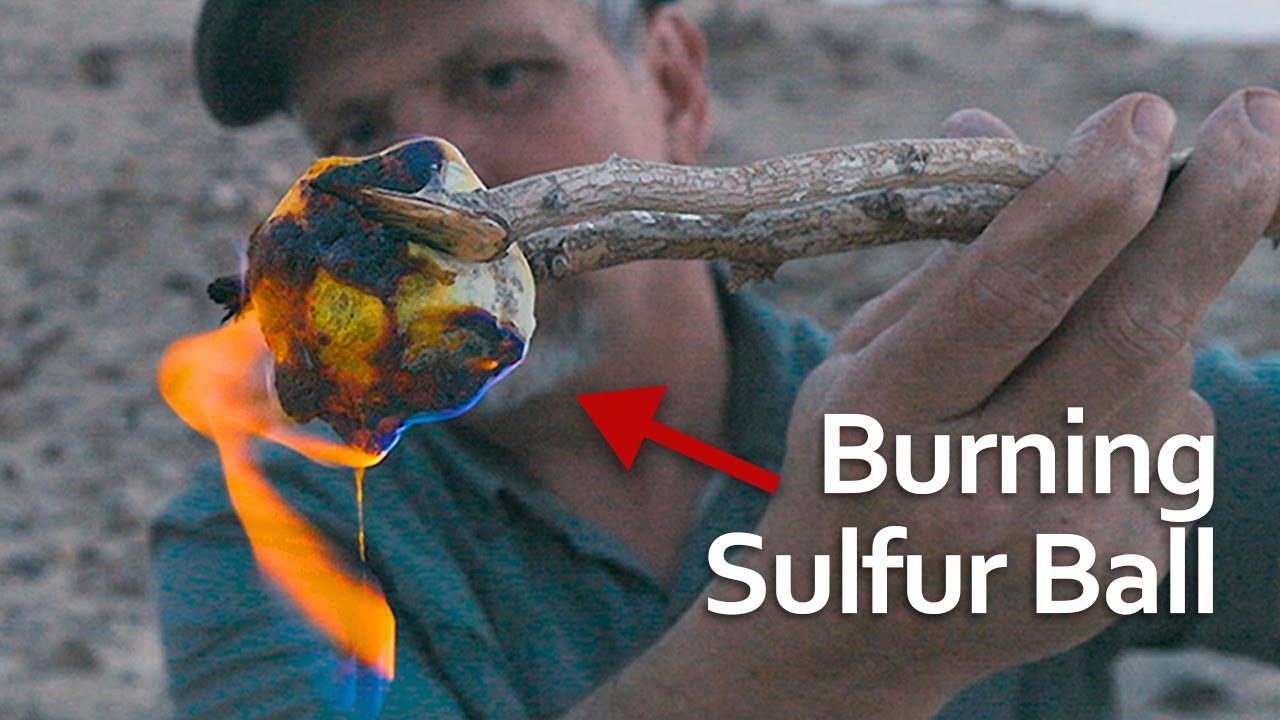
The Bible describes burning sulfur and fire raining down from the sky which permanently destroyed the cities of Sodom and Gomorrah (Genesis 19:24). Is there any evidence still left in the geological record that matches the Bible’s description of what happened to Sodom and Gomorrah?
-
The Jesus Tomb…UNMASKED!
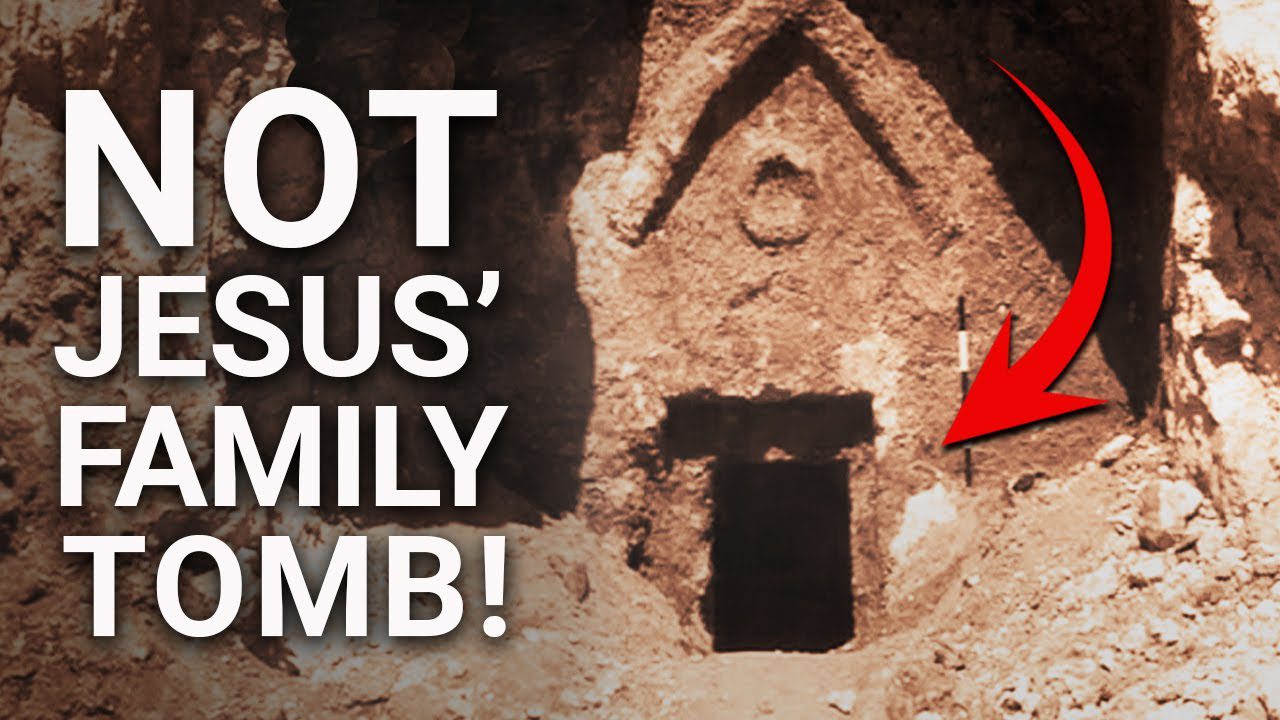
The documentary The Lost Tomb of Jesus makes the claim that the bones of Jesus of Nazareth have been found in a tomb in Israel. If true, that discovery would mean that Jesus’ resurrection is only a myth. Watch this episode of Expedition Bible to see that “discovery” unmasked and its claim refuted.
-
Excavated Canaanite High Place: “the sin of the Amorites”
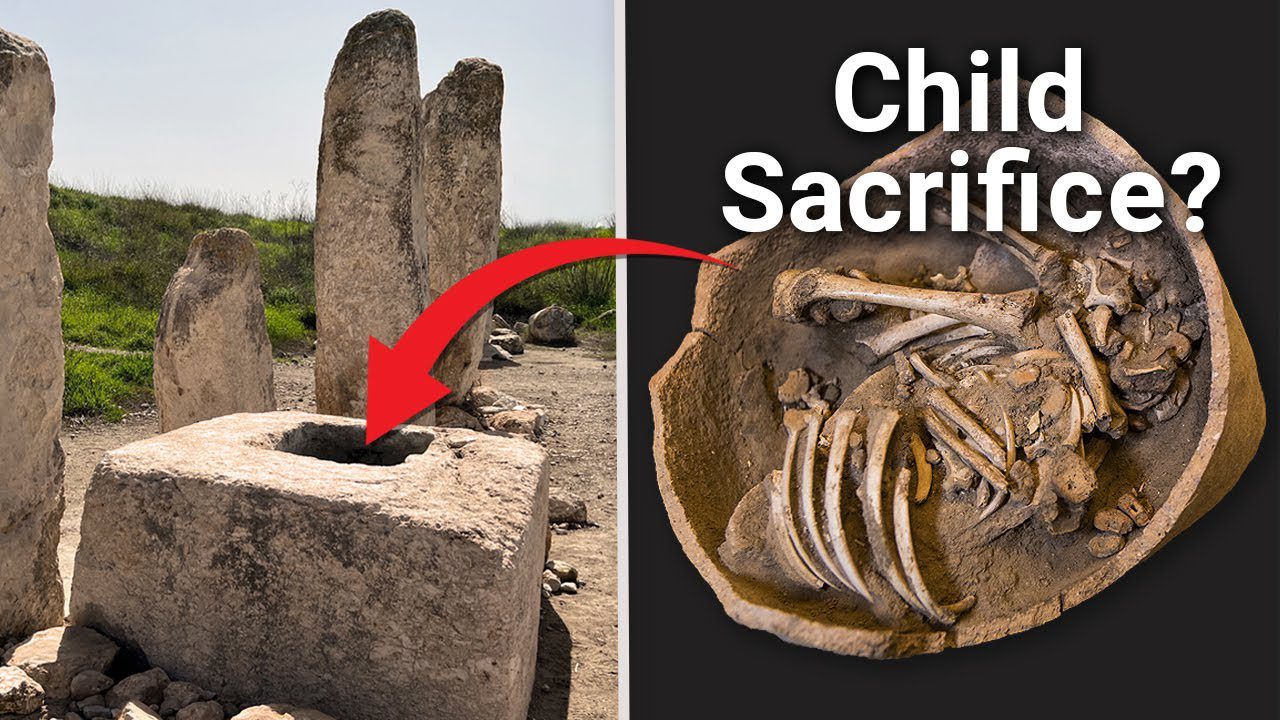
In 1902, archaeologist Stewart Macalister began excavating at Gezer. He soon realized that he was digging a Canaanite high place where the ancient inhabitants of the city had worshipped their gods. There he unearthed deeply disturbing evidence for “the iniquity of the Amorites,” which corroborated the Canaanite worship practices described in the Bible.
-
Unearthing the Prophecy of Jesus’ Birthplace
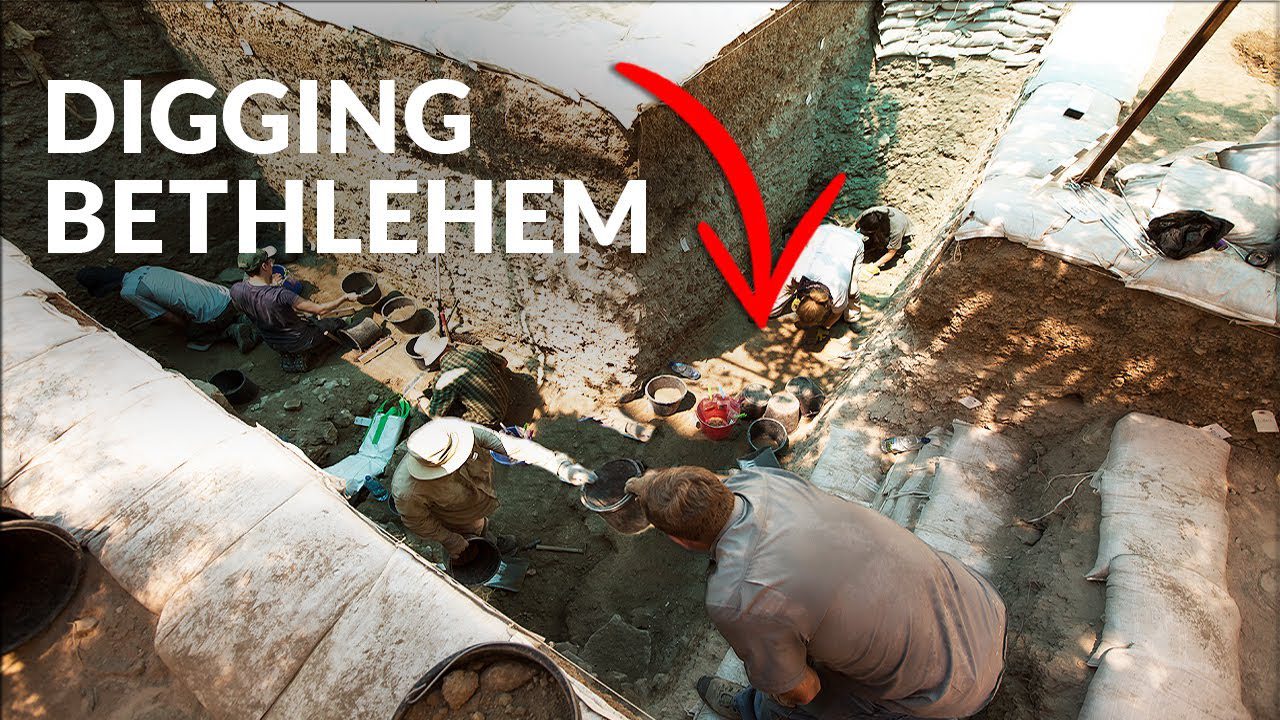
Around 700 B.C., the Old Testament prophet Micah made a bold prophecy about the village of Bethlehem, declaring that it would be the birthplace of the coming ruler of Israel. About 700 years later, the New Testament declared Micah’s prophecy fulfilled when Jesus was born in Bethlehem. What does archaeology reveal?