What does it mean to say that the God of the Bible is gracious? In this video, we’ll look at the Hebrew words for grace and understand it to be a rich concept that has profound implications for how we see God. When we look to the biblical meaning of grace and understand God as gracious, we see a God who loves to give generous gifts to undeserving people.
Kilde: YouTube
-

How God Begins to Describe Himself in the Bible
Compassion is a deeply emotional word used to convey the strong bond between a parent and their child. In this video, we look at this rich Hebrew word, the first one God uses to describe himself in Exodus 34:6-7. God is portrayed as a compassionate parent throughout Scripture—both as a mother and a father, and his compassion is embodied in the person of Jesus.
-
Character of God
Biblical authors often referenced and quoted their favorite parts of Scripture, and the list of God’s character traits found in Exodus 34:6-7 is the most repeated and re-quoted text in the Bible. In this video, we’ll explore this foundational description of God’s attributes that illustrates what God values and why he acts the way he does.
-
Paul’s Missionary Journeys: Acts 13-20
What was it like for the apostle Paul to travel around the Roman Empire announcing the good news about the risen Jesus? What drove him to plant new Jesus communities in city after city, and how did people respond to his message? In our third video on the book of Acts, we’ll explore all of this and more.
-
The Apostle Paul: Acts 8-12
Our video on Acts 8-12 explores how God’s Spirit transformed Jesus’ followers from a small collective of messianic Jews in Jerusalem, into a multi-ethnic movement that quickly spread throughout the nations.
-
What Happened at Pentecost and Why It’s Important
The book of Acts shows how God fulfilled His ancient promises to restore His blessing to all the nations through the offspring of Abraham: Jesus of Nazareth. In this video, we’ll explore how Jesus and the Spirit renew the people of Israel and prepare them to announce good news to the nations.
-
The Resurrection of Jesus: Luke 24
This video concludes Luke’s epic portrait of Jesus of Nazareth. The disciples discover the empty tomb and eventually have their entire view of the world turned upside-down as they meet the risen Jesus. Luke shows how Jesus’ kingdom of God mission comes to its climactic moment, and he sets the stage for its continuation in Luke’s second volume, Acts.
-
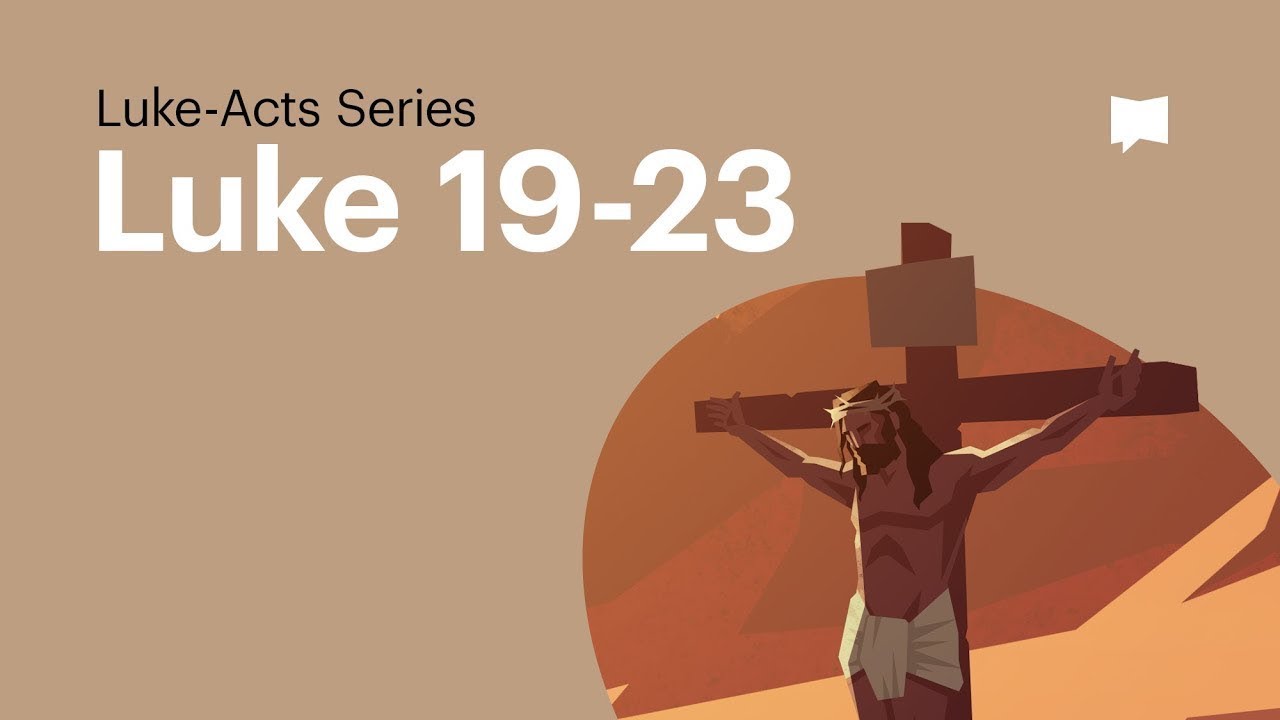
The Crucifixion of Jesus: Luke 19-23
Jesus’ work and ministry culminated in a week of controversy leading up to the celebration of Passover. In this video, we’ll explore the Gospel of Luke 19-23, and how it came about that the innocent Jesus ended up being executed as a revolutionary rebel against Rome. We’ll also see how Jesus was not at all surprised because he believed that his death would open up a new future for Israel, and for all humanity.
-
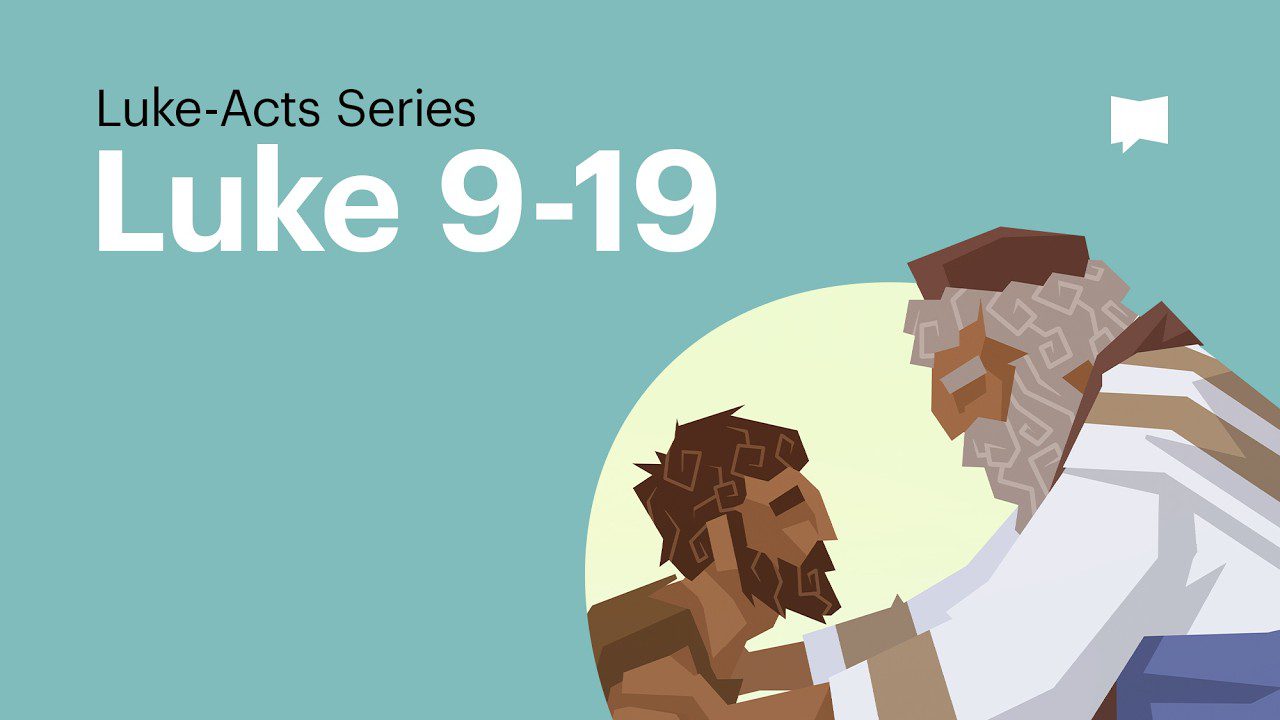
The Prodigal Son: Luke 9-19
Part three explores the central part of Luke’s Gospel. Jesus continues his controversial announcement of good news for the poor during his long road-trip to Jerusalem, which increases conflict with Israel’s religious leaders. This tension provides the setting for the famous parable of the Prodigal Son.
*Credits Correction: Storyboard artists for this video are Allan Rosenow and Ryan Rosenow. -
The Baptism of Jesus: Luke 3-9
The second in a five-part series on the Gospel of Luke. We watch Jesus launch his ministry of good news for the poor and how he brought together people from very diverse backgrounds to live together in peace.