Does God care about all of the evil humans perpetrate in our world, and if so, what is He doing about it? In this video on the Day of the Lord, we trace the different ways that God confronts human evil and the even deeper spiritual evil that underlies it. Ultimately, we see how Jesus fulfills this storyline and overcomes evil by allowing it to defeat him.
Forfatter / underviser: BibleProject
-

The Most Unexpected Way to Rule the World
This video on the Image of God traces the idea of humans as co-rulers alongside God, who are commissioned to develop the world and its resources and take it into new horizons. How has this human vocation been compromised by our selfishness and evil, and how did Jesus open up a new way of being human through his life, death, and resurrection?
-
Why Jesus Called Himself the Son of Man
If you thought “Christ” was Jesus’ last name or the title he gave himself, think again! The title Jesus most often used for himself is the “Son of Man.” In this video, we’ll explore the meaning of this fascinating phrase and see how it invites us into the larger biblical story.
-
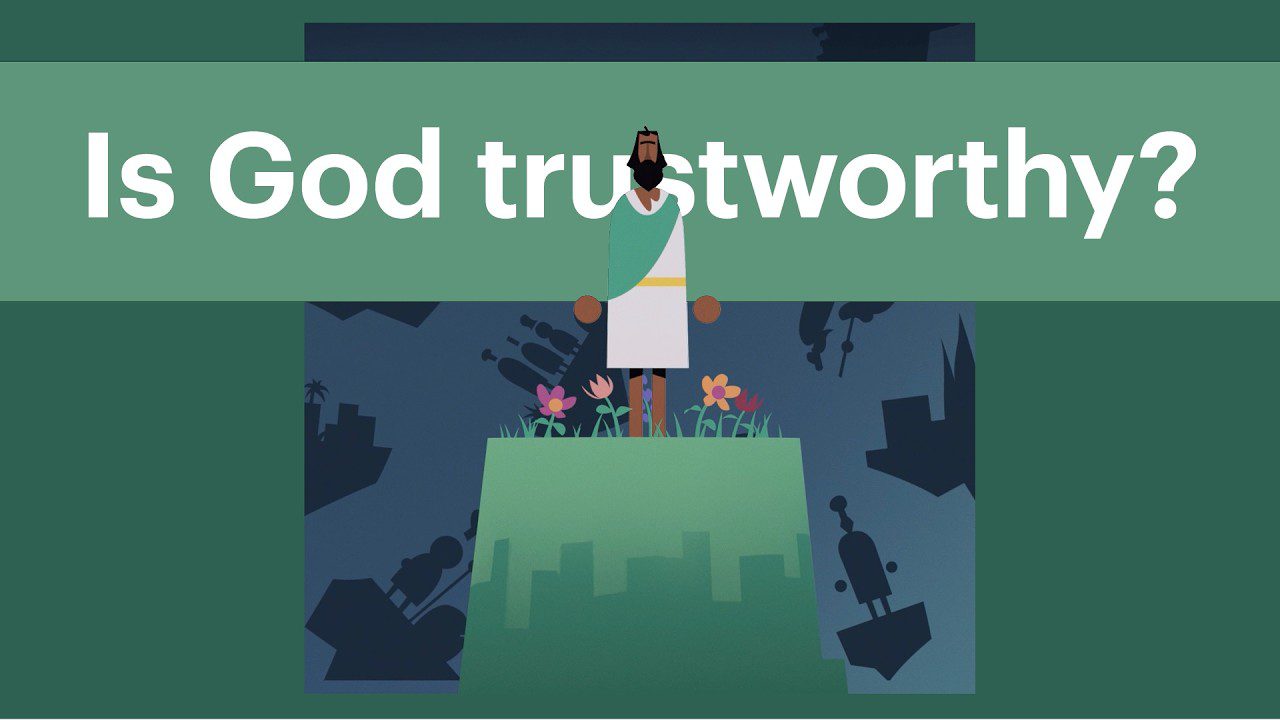
The Reason You Can Trust God (Even When It Seems Risky)
The word emet is a common word used to describe God in the Bible. It can be translated as “faithfulness” or “truth.” So when the authors say that God is “full of emet,” they are saying that he is trustworthy and faithful—we can trust him. But trusting isn’t always an easy thing. In this video, we look at why we can trust that God is full of emet.
-
God Loves You, But What Does That Mean? (According to the Bible)
The Hebrew word khesed is one of the most common descriptions of God in the Hebrew Bible, and it’s almost impossible to translate into any other language! This word is rich with meaning, combining the ideas of love, loyalty, and generosity. Join us as we explore this fascinating Hebrew word and how it shapes our understanding of God’s character.
-
Don’t Miss the Point of God’s Anger in the Bible
What does it mean to say that God is slow to anger? In the Bible, God’s anger is a just response to human evil, which is motivated by God’s justice and love. In this video, we’ll explore God’s anger and justice in the biblical story and see how it all leads to Jesus.
-
God’s Consistent Posture Toward All Humanity
What does it mean to say that the God of the Bible is gracious? In this video, we’ll look at the Hebrew words for grace and understand it to be a rich concept that has profound implications for how we see God. When we look to the biblical meaning of grace and understand God as gracious, we see a God who loves to give generous gifts to undeserving people.
-
How God Begins to Describe Himself in the Bible
Compassion is a deeply emotional word used to convey the strong bond between a parent and their child. In this video, we look at this rich Hebrew word, the first one God uses to describe himself in Exodus 34:6-7. God is portrayed as a compassionate parent throughout Scripture—both as a mother and a father, and his compassion is embodied in the person of Jesus.
-
Character of God
Biblical authors often referenced and quoted their favorite parts of Scripture, and the list of God’s character traits found in Exodus 34:6-7 is the most repeated and re-quoted text in the Bible. In this video, we’ll explore this foundational description of God’s attributes that illustrates what God values and why he acts the way he does.
-
Paul’s Missionary Journeys: Acts 13-20
What was it like for the apostle Paul to travel around the Roman Empire announcing the good news about the risen Jesus? What drove him to plant new Jesus communities in city after city, and how did people respond to his message? In our third video on the book of Acts, we’ll explore all of this and more.