Video
Literalism: Isn’t the Bible historically unreliable and regressive? – [Sermon]
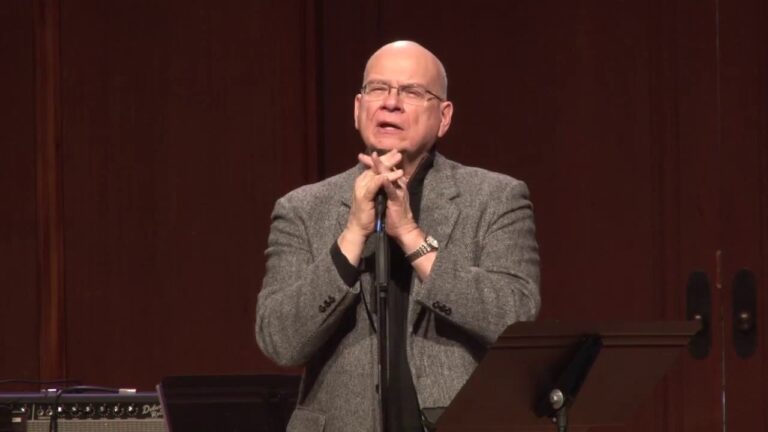
Tim Keller sermons via Gospel in Life: Some people claim that they can’t trust in the Bible because it is historically unreliable and culturally regressive. But do we have cultural blinders on? Dr. Keller discusses solid reasons that we can trust the Bible historically, culturally, and personally.
This sermon was preached by Rev. Timothy Keller at Redeemer Presbyterian Church on November 5, 2006.
Resume
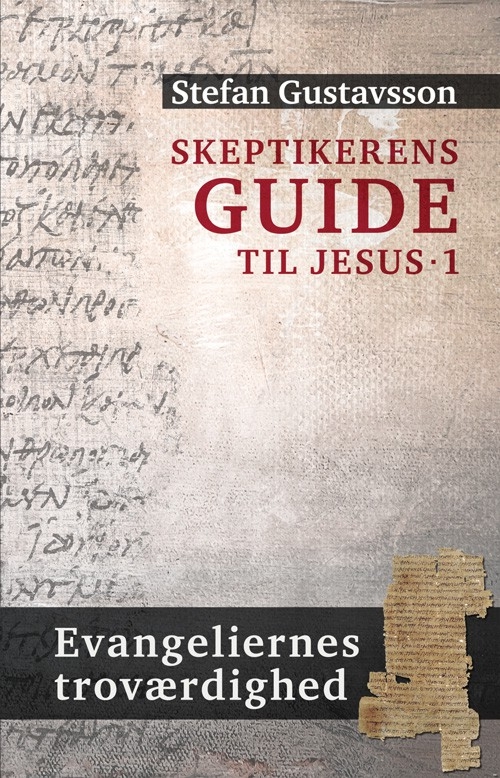
Mange mennesker betragter Bibelen som historisk upålidelig og kulturelt regressiv, men der argumenteres for, at man kan stole på den. Først og fremmest er de nytestamentlige beretninger om Jesus skrevet for tidligt til at være legender, da de er baseret på øjenvidneberetninger fra personer, der levede tæt på begivenhederne. For det andet indeholder disse beretninger elementer, der er for kontraproduktive til at være opfundet af kirkeledere, da de ofte viser apostlene i et negativt lys og inkluderer kvinder som de første vidner til opstandelsen, hvilket ville være usandsynligt, hvis de ønskede at konsolidere magt. Endelig er de detaljerede beskrivelser i evangelierne ikke typiske for legender, men snarere for historisk rapportering. Kulturelt set er der en tendens til, at folk finder visse bibelske tekster offensive. Det anbefales at overveje, om teksten virkelig lærer det, man tror, den gør, og at man skal være opmærksom på sine egne kulturelle fordomme. For eksempel kan opfattelsen af slaveri i Bibelen være misforstået, da det ikke nødvendigvis svarer til moderne forestillinger om racebaseret slaveri. Derudover kan det være nyttigt at erkende, at ens egne kulturelle normer ikke nødvendigvis er overlegne. Personligt kan en dybere forståelse af Bibelen føre til en stærkere relation til Gud. Jesus understreger, at Skriften handler om ham, og at en korrekt fortolkning kan føre til en livsændrende oplevelse. At have en autoritativ Bibel er ikke en hindring for en personlig relation til Gud, men en forudsætning for at forstå hans budskab og finde dyb mening i livet.
Læs transskription
many have undertaken to draw up an account of the things that have been fulfilled among us just as they were handed down to us by those who from the first were eyewitnesses and servants of the word therefore since I myself have carefully investigated everything from the beginning it seemed good also to me to write an orderly account for you most excellent Theophilus so that you may know the certainty of the things you have been taught now that same day two of them were going to a village called Emmaus about seven miles from Jerusalem they were talking with each other about everything that had happened as they talked and discussed these things with each other Jesus himself came up and walked along with them but they were kept from recognizing him he asked them what are you discussing together as you walk along they stood still with their faces downcast one of them named Cleopas asked him are you only a visitor to Jerusalem and do not know the things that have happened here in these days what things he asked about Jesus of Nazareth they replied he was a prophet powerful in word and deed before God and all the people the chief priests and our rulers handed him over to be sentenced to death and they crucified Him but we had hoped that he was the one who was going to redeem Israel and what is more it is the third day since all this took place in addition some of our women amazed us they went to the tomb early this morning but didn’t find his body they came and told us they had seen a vision of angels who said he was alive then some of our companions went to the tomb and found it just as the women had said but him they did not see he said to them how foolish you are and how slow of heart to believe all that the prophets have spoken did not the Christ have to suffer these things and then enter his glory and beginning with Moses and all the prophets he explained to them what was said in all the scriptures concerning himself as they approached the village to which they were going Jesus acted as if he were going farther but they urged him strongly stay with us for it is nearly evening the day is almost over so he went in to stay with him when he was at the table with them he took bread gave thanks broke it and began to give it to them then their eyes were opened and they recognized him and he disappeared from their sight they asked each other were not our hearts burning within us while he talked with us on the road and opened the scriptures to us this is the word of the Lord each week we’re looking at one of the troubles and there are many of them but each week we’re choosing one of the things that most trouble people today about Christianity especially people in New York and today’s problem with Christianity centers around the Bible and many people in the place like New York would say this there are many good things in the Bible but you shouldn’t take every word of it literally and having heard this for many years never quite being sure what they meant I now come to realize it means this there are many good things in the Bible but you shouldn’t insist that everyone believe and follow everything in it because there are some things in the Bible that just are wrong some things are right some things are wrong some things are good some things are bad some things are historically unreliable there are legends that are in there and we don’t really know what happened really or what was actually said and much of the Bible is culturally regressive and it promotes certain views that are best left behind so for these reasons good things in the Bible but don’t insist on it being entirely trustworthy and completely authoritative and everything it says so what do we say to that I’d like to argue to the contrary of course I’d like to argue that you should trust the Bible you can and should trust the Bible three ways historically culturally and personally historically culturally you should trust the Bible and most of all personally first historically can we trust the Bible historically many people today say that essentially the Bible and especially the New Testament documents the Gospel accounts of Jesus life and his words and what he did many people say well you know these statements these these accounts were concocted as it were by the political winners the the original Jesus who knows what the original Jesus was like but the idea that he claimed to be divine and he did miracles and he died on the cross and he was raised and people saw him all of those ideas all those accounts were written later by church leaders who were trying to consolidate their power and build their movement we don’t know what really happened they suppressed the evidence of the original Jesus who was just a human teacher what do we have to say to that we have to say that that’s not fair it’s not actually right that there are several reasons I’m only going to mention three though if you stick around redeeming you here even more as time goes on I’m going to give you three reasons why you can trust what the Bible says about Jesus you can trust it as being historically reliable first of all the New Testament accounts of Jesus are written too early to be legends too early for example look at the very beginning of this passage here’s the Gospel of Luke Luke has written this account of Jesus and what does he say to his readers he says I haven’t carefully investigated everything from the beginning and I’ve checked what I what I’ve written with verse two eyewitnesses Luke is saying that even though he’s writing like 30 or 40 years later Luke is saying that lots and lots of people who actually saw Jesus and her geez are still alive and so you can check what I’m writing with them now I’m writing even more recently in other words even closer to the events of Jesus life was st. Paul and Paul who wrote his letters only 15 or 20 years after the events of Jesus life says things like this in first Corinthians 15 he says that many people saw Jesus appear to them after his death and at one point he appeared Jesus appeared to 500 people at once and then Paul says most of them are still alive and you can still go talk to them now Paul could not possibly have written in a public document you know promoting the Christian faith that there were 500 people who saw Jesus at once both of them are still alive unless that was really the case that there were 500 people who thought they saw Jesus at once there they were or in Philippians 2 the Paul quotes a hymn of praise to Jesus deity and divinity now if Philippians was written only 15 years later and this is a hymn that obviously been written by somebody else even earlier what do we know here’s what it mean oh Jesus claims to be God the the Christians worshiping Jesus as God the the the Resurrection appearances the death of Reza and the crucifixion Jesus Christ the miracles of Jesus his claims all these things happened because that Christians were worshipping Jesus God from the beginning from the beginning you know The Da Vinci Code that very big bestseller depicts Constantine in 325 AD as basically decree in Jesus divinity and suppressing all evidence of his original life as a human teacher of course as we see the documents of the New Testament are way too early for that to be true many people say oh yo the vinci code is a fiction and most people who read it know that the characters the main characters are fictional but they tend to think that that idea that divinity of Jesus was a later teaching that suppressed the earlier teaching of Jesus humanity they think that that was the historically the case it’s just not true at all in fact one historian reading The Da Vinci Code said this a real historian after reading The Da Vinci Code said Dan Brown says that when the Emperor Constantine declared Jesus divine Christianity 1 the religious competition in the Roman Empire by an exercise of power rather than by any attraction it exerted in actual historical fact the church had won that competition long before that time before it had any power when it was still under sporadic persecution if a historian were cynical you would say Constantine chose Christianity because it had already won and he wanted to back a winner and so what basically what we see is the New Testament documents essentially show that what what Jesus said his death his resurrection his claims to be deity those things really happen they’re written you could write documents two or three hundred years later when all the eyewitnesses were dead and say anything you wanted about a figure especially back then but you couldn’t say Jesus was crucified when thousands of people both pro and con were still alive who had seen whether he was or not if Jesus hadn’t been crucified if Jesus hadn’t there hadn’t been appearances after his his death if there hadn’t been an empty tomb if he hadn’t made these claims and these public documents went around claiming all these things Christianity would never have gotten off the ground these documents are written too early to be legends number one number two the documents are too counterproductive in their content to be legends too counterproductive why well the theory is that the the Bible doesn’t give you what actually happened instead what you have here in the Gospels is what the church leaders wanted you to believe happened because this is the view of Jesus that helps them consolidate their power and and build their movement oh really okay well if I’m a church leader you know living about 80 years 70 years after Jesus and I’m concocting these stories what I put in there that Jesus in the Garden of Gethsemane asked the Father if he could get out of it what I put in there that Jesus Christ in the Garden of Gethsemane says the father can I get out of this salvation thing you know can this cup pass from me would I put secondly Jesus on the cross saying you forsake in me to God see those passages are confusing and offensive today let alone to first century readers or if I was making up these stories what I put in what we see down here in verse 24 and that is all the original resurrection witnesses all the people who first saw Jesus raised from the dead at a time when women’s testimony was not admissible evidence in court because of their low social status Matthew Mark Luke and John all say the original eyewitnesses are women if you were making that up you would never make women the eyewitnesses if you’re trying to consolidate your power you would never say that not only that the leaders of the early church were the successors of the Apostles when you actually get into the New Testament and see the Apostles on every page the apostles look like jerks they look like fools they look they look slow of heart they look like cowards they they look terrible why if you were a leader of the early church would you make up any of those accounts any of those stories any of those features you wouldn’t the only possible explanation for them being in the text is if they happen they don’t help any other way they’re totally counterproductive for the power of the leaders of the early church so the New Testament documents are too early to be legends are too counterproductive and lastly and real briefly they’re too detailed in their form one of the problems with reading the Gospels and say all these things would be legends we don’t know much about ancient fictions a modern fiction since the 18th century in the West developed a genre called the novel or the short story in which you have realistic fiction and a realistic fiction is written almost like history very very detailed but in ancient times legends were not written like that epics myths were not written like that you would never start a myth off go ahead find the things go but go read Beowulf go read the Greek myth the Roman mists go read anything they don’t start like this see I have myself carefully investigated everything from the beginning and checked it with the eyewitnesses and CS Lewis who was a real expert in ancient literature says this looking at the Gospels he says I have been reading poems romances vision literature legends and myths all my life I know what they are like I know none of them are like this the gospel texts of those texts there’s only two possible views either this is reportage either this is historical reportage or else some unknown ancient writer without known predecessors or successors suddenly anticipated the whole technique of modern novelistic realistic narrative the reader who doesn’t see this is simply not learn how to read it’s a professor you know kind of condescending there at the end but here’s the point these things don’t have the form of legends these things are written too early to be legends these things are too counterproductive to be legends you can trust them they tell you basically what really happened so you can trust the Bible historically okay you say you just did the new testing what about the Old Testament well you know it’s a it’s just a sermon so let’s keep moving stick around Redeemer you’ll hear about everything but for now you can trust it historically and besides that you have to remember once you realize that the New Testament says about Jesus is reliable you look and see what Jesus thought about the Old Testament he saw it as very authoritative it all fits together so first of all you can you can take it historically secondly you can trust it culturally now what do I mean by that I would say in the last twenty years and I’ve been here for most of the twenty years I’ve been in New York there’s been a shift where people are more troubled by the cultural aspects of the Bible than they are by the historical and what I mean by that is people read things in the Bible that they consider offensive primitive regressive they see things in the Bible it’s a look at this that teaches this and that’s awful we got over that we’re beyond that let’s it’s better to leave that the past and so many people say well there’s parts of the Bible that are good but there’s also parts that are primitive regressive and we can’t we you know we can’t accept today what are we going to do with this one I can’t go down the list of things in the Bible that offend new yorkers because a it’s a very long list and B it shifts around all the time which is one of my points instead I would like to give you three ways to handle any text of the Bible that seems to offend you and maybe make it hard for you to keep on going and exploring or accepting or living the Christian faith three things you can do when you get to a text of the Bible that really offends or upsets you okay three things number one first of all please consider the possibility that it doesn’t teach what you think it teaches please consider that it doesn’t really teach what you think it teaches in here and we’ll get back to this in a minute you notice the Emmaus disciples are very upset why as Jesus is going to show them they think the Bible teaches something it doesn’t they’re all upset you see but Jesus says well you know you didn’t really understand this this is not what the Bible teaches it teaches this you need to consider that you need to be patient with those texts let me give you a personal example many years ago when I first started reading the book of Genesis it was very upsetting to me because here’s all these spiritual heroes you know Abraham Isaac Jacob Joseph these are your heroes spiritual heroes and look how they treat women it’s pretty awful have you read the book of Genesis recently first of all they all engage in polygamy of course they all have multiple wives which puts the husband puts the man absolutely in the power seat then they they buy and sell the wives I mean they pay they pay fathers the fathers of the wives to get them and there’s bride prices and all that and there’s all these patriarchal institutions and there’s Abraham Isaac Jacob Joseph these are our exemplars these are our heroes how do we handle that it was very upsetting to me then also by the way many years ago now a book came out called the art of biblical narrative written by Robert alter and Robert alter is a Jewish a Jewish scholar and a Jewish an expert in ancient Jewish literature teaches at Berkeley and in that book he said something astounding to me he says there are two institutions you see in the book of Genesis that were Universal in ancient cultures one was polygamy one was primogeniture polygamy you know obviously multiple wives the husband has mobilized primogeniture was that the oldest son got everything got all the power got all the money so that and basically ruled over everyone else in the in the family so it’s very patriarchal polygamy and primogeniture he says however when you actually read the text of Genesis you’ll see two things first of all in every generation polygamy wreaks havoc in every generation having multiple eyes is an absolute disaster socially culturally spiritually emotionally psychologically relationally familiarly every way and secondly when it comes to primogeniture in every single generation god always favors the younger son / the older it’s always able not Kain it’s always ignite Ishmael it’s always Jacob not Esau and Robert Walter says is as if you actually realize what Genesis is doing it is subverting not supporting it is subverting it is overturning those ancient patriarchal institutions at every spot and if you don’t really read it if you don’t understand that you haven’t learned how to read there’s another arrogant professor when I when I heard that when I saw that and I started rereading the book of Genesis I loved it and I’ll bet you some of you loved it here too right and I loved it but then it hit me I remember that I immediately said what if when I was younger I had just dropped the whole thing because of this what if I just drop kicked the Bible and Christianity what if I and missed out on the personal relationship with Christ and missed out on everything I’ve had because I just couldn’t understand why those spiritual heroes were such you know were such paternalistic things and I thought it was teaching something wasn’t teaching please consider and be patient please consider the possibility the text is not teaching what you think it’s teaching number one number two please consider the possibility that you are miss under the understanding what the Bible teaches because of your own cultural blinders your own cultural blinders the Emmaus disciples understandably misunderstand understandably unders understand the the prophecies about the Messiah because as Jews they were really only thinking of the redemption of Israel they actually say that in verse 20 and 21 and they weren’t thinking of the redemption to the whole world and therefore they had cultural blinders on they were trying to read the prophecies and they misread them that’s why they were so they couldn’t understand why Jesus did what he did in the same way I want you to consider how easy it is I’m gonna give you one case study because I think actually comes up a lot with New Yorkers as a reason not to believe the Bible it is very easy to read a passage of the Bible read it through your cultural blinders and therefore misunderstand what it’s actually teaching now let me give you the purp my here’s my example is slavery I can’t tell you how often I hear people say well the Bible condone slavery and that was wrong so who knows what else it’s saying that’s wrong or many many times people say the Bible condone slavery and that was wrong and therefore it’s wrong on this as well I mean so very often people start with that as the premise and they go off in various directions to undermine biblical Authority and I want to ask a question does the Bible actually condone slavery well of course you say look at these passages where Paul says slaves obey your masters there it is he condone slavery but if you actually go into one deal one book of the New Testament where Paul actually talks to a master-servant relationship he talks both to an esse –mess who’s them is a servant and and Philemon the master if you actually read that book and you see how Paul talks and you see how that relationship works between a Nesmith’s and Philemon you begin to realize this is more like something you might call indentured servant hood it’s not what we think of as slavery and that’s the point when you and I read what the Bible when you see and I see the word slave in the Bible you immediately think of 17th 18th and 19th century new world slavery race-based African slavery as immediately what you and I think of and when you do that when you read what the Bible says when you see the Bible slave and you read it through those blinders you actually aren’t quite understanding what the Bible’s teaching Marie Harris some years ago is a historian who wrote a book about what slavery was like in the first century greco-roman world in the first century greco-roman world the slaves that Paul was talking to you need to know this he says interestingly enough he says in greco-roman times number one slaves were not distinguishable from anyone else by race speech or clothing they looked and lived like everyone else and were never segregated off from the rest of society in any way number two slaves were more educated than their owners in many cases and many times high managerial positions number three from a financial standpoint slaves made the same wages as free laborers and therefore were not themselves usually poor and often accrued enough personal capital to buy themselves out number four very few persons were slaves for life in the first century most expected to be manumitted after about ten years or by their late 30s at the latest in contrast new world slavery 17 to 1819 slavery at century slavery was race-based and its default mode was slavery for life also the African slave trade was begun and resourced through kidnapping which the Bible unconditionally condemns in first Timothy 1:9 to 11 and Deuteronomy 24 7 therefore while the early Christians like st. Paul facing first century slavery discouraged it like Paul was always saying as slaves get free if you can but didn’t go on a campaign to end it 18th and 19th century Christians when faced with new world style slavery did work for its complete abolition because it could not be squared in any way with biblical teaching so the point is that when you hear somebody say the Bible condone slavery you say no didn’t not the way you and I define slavery it’s not talking about that maybe we had to use a different word there will be translated oh you say rightly so didn’t people in the South use those biblical passages slaves obey your masters in order to try to subjugate the African slaves yes but they were reading it through their cultural blinders too it was an absolutely illegitimate twisting and perversion of what the scripture taught and therefore please consider the possibility there’s because I can give you a lot of other examples but there’s no time that when you read something in the scripture and it seems very offensive you’re reading it through your cultural blinders so secondly you might just be taking it wrong first of all secondly you might be taking it wrong because of your cultural blinders but thirdly you may be getting offended by certain biblical texts because of an unexamined assumption of the superiority of your cultural moment because of the unexamined assumption of the superiority of your cultural moment see most of us in New York City read a certain passage of the scripture and say oh that’s so regressive and so offensive but that’s because in our culture that’s a problem that particular biblical passage but in other cultures in other parts of the world today that passage is fine and some other culture some other passage that you think is fine they’re having trouble with so for example in individualistic Western societies you read the Bible and what the Bible says about sex is a problem but when you read what the Bible says about forgiveness forgive your enemy let it go seventy times seven turn the other cheek when your enemy asks for your shirt given your cloak as well and we said how wonderful say we’re down on that guilt thing you know we don’t like that this is great so what the Bible says about sex that’s a problem regressive what the Bible says about forgiveness isn’t that wonderful go to the Middle East let them read the Bible what the Bible says about sex is pretty good probably not strict enough but what the Bible says about forgiving your enemies is absolutely crazy you’re crazy you’d be destroyed if you did anything like that because that’s not an individualistic society it’s it’s it’s it’s not a guilt culture it’s a shame culture and let me ask you a question if you’re offended by something in the Bible why should your cultural sensibilities Trump everybody else’s why should we get rid of the Bible because it offends your culture don’t you see what I mean by saying you may have the unexamined assumption that your culture is superior to everybody else’s let me ask you to do a thought experiment with me for a second thought experiment if the Bible really was the revelation of God and therefore it wasn’t the product of any one culture but came from God wouldn’t it contradict every culture in some point I mean each culture would be different but wouldn’t have to contradict each culture at some point and therefore wouldn’t it half if is really from God wouldn’t it have it would have to offend your cultural sensibilities at some point and therefore when you read the Bible and you find some part of it outrageous and offensive that’s proof that is probably true there’s probably from God it’s it’s it’s not a reason to say the Bible isn’t God’s Word it’s a reason to say it is so what in the world makes you think that therefore because this part or that part is offensive I can just sort of kind of forget Christianity and by the way one more thing very briefly you know your great-grandchildren if you have any your great-grandchildren will find a lot of what you think right now absolutely embarrassing just like let’s face it there are things that your great-grandparents believe you know that you found absolutely embarrassing but course the trouble is we don’t know which of our beliefs are going to look really stupid to the future and therefore if you sit and let your range of beliefs sit in judgment on the Bible you might be missing out on a relationship with Jesus Christ you might be missing out on all that Christianity can give you you might be missing out on all because it offends one of your beliefs that 50 years from now might be a laughing so first of all you can trust a historically second you can trusted culturally but step thirdly you have to be able to trust it personally it is often hinted and sometimes set out right the people who believe in the absolute authority of the Bible in every part that you have to submit to the Bible in every part that somehow that’s a cold you know legalistic kind of faith of course it can be but I would like to make the case that a completely authoritative Bible is the prerequisite for a warm personal relationship with God it’s not the enemy of it so for example look at verse 32 when the disciples the Emmaus disciples look back on every single thing everything that was has been said they summarized it like this we’re not our hearts burning within us as he opened to us the scripture now in English heart is the source of you it’s the seat of your emotions right when you and I think of heart we mean the seat of our emotions but in the Bible the word heart is the seat of the whole person and Greek scholars will tell you that that the the this phrase our hearts burning hearts burn means an uncontrollable desire for someone and here’s what they’re saying they had a life changing whole life changing personal encounter with the Lord they felt their hearts going out to them they felt a love they had never experienced before when when the Scriptures were properly expounded to them when they understood what they really meant that’s the way into this deep personal relationship with God notice how Jesus goes at this verse 20 and 21 is almost comical especially in light of what we know look at verse 20 21 he says they handed him over to be sentenced to death and they crucified him but we had hoped he was the one who was going to redeem Israel he died on a cross but we thought he was going to save us see we thought that he was going to save us but he died on the cross and Jesus turns to them and says he says how foolish you are how slow of heart to believe all the prophets have spoken he says you misunderstood the scripture Christ had to suffer these things and then enter his glory okay well why did he misunderstand and here is the key verse 27 the Bible will crush you into the ground if you don’t understand verse 27 some of you may have already in a way walked away from Christianity because you thought you tried to believe and obey the Bible because you didn’t understand verse 27 it didn’t work for you then beginning with Moses and all the prophets he explained to them what was said in all the scriptures concerning himself what he’s saying there is everything in the Bible is about me beginning with Moses and the prophets he said it’s all about me if you think the Bible is all about you about what you must do and how you must live and how you have to do everything in order to get the blessing then of course you don’t need a messiah who dies for you all you need is the rules but there are two ways and only two ways to read the Bible you can read the Bible’s if it’s all about you and what you must do and what you have to you know run around doing in order to get the blessing or you can read every part of the Bible if it’s all about him and what he has done for you is it all about you or is all about him let’s do what he did that day let’s begin it with Moses because I saw we have time to just begin with Moses what’s Moses about look at the story of Moses and the Exodus in the Passover what’s it about is it about you is it about how you’ve got to be faithful like Moses and you’ve got to be brave so that you can face down Pharaoh and you’ve got to be a good leader so you can lead the children of Israel out is it all about you is that what Moses is there to teach you is that what that story is there is that what the scripture is teaching you know if you really really listen to what the scripture is saying that Scripture it shows you that God did not come to Moses and say oh you are such a good man you know what you deserve to be the leader and because you are really faithful to me and obeying the Ten Commandments and all that sort of thing I’m going to lead I’m going to let you lead the children of Israel out no here’s what he says you all deserve to die because of your sins slay a lamb put the blood on the doorpost take shelter under the blood of that lamb and when the angel of death comes by you won’t be paying for your sins now if you read that Passover passage Exodus 12 as if it’s all about you what do you say Wow Wow okay we better do it right you know we have to do it each year we have to do it we have to get it right and we have to really do everything God says but here’s can you imagine what must have happened on the road to Emmaus can you imagine what had happened in the disciples hearts when Jesus says do you really think that God the holy god of the universe put your sins away because of those sweet wooly little Williams I’m the Lamb of God who taketh away the sins of the world I am God himself come into this world to absorb in myself your debt so that we can be together you and I can be together for eternity Cathy my wife says you know what when she goes to a place on Sunday and she hears somebody including me talking about this Bible text as this this is this this is this is that very much to take notes it’s like a lecture but when you so it’s really about Jesus suddenly the lecture becomes a sermon she says suddenly something it moves from getting information in my head to changing my life because when Jesus says the Passover Moses it’s all about me I’m the lamb I’ve done this for you you need to come to me then what happens it gets personal it becomes an encounter you want him you sense his presence maybe even now today when you see it’s really about him every part of begin with Moses the rock the rock of Moses smitten in the wilderness with a rod of justice so why have water in the desert that’s Jesus Jesus was smitten with a rod of God’s justice so we could have water in this desert Jesus is the tabernacle the temple he’s the he’s the sacrifice he’s the altar he’s the light he’s the bread he’s the Prophet he’s the priest he’s the king it’s all about him it’s not about you isn’t that good news and doesn’t that make you want him don’t you begin to fill your heart isn’t there a kind of longing you have in your heart a longing for purpose along it for infinite love longing for significance and security that nothing in this world can possibly satisfy it’s your hearts are not going to be satisfied so you find him and the way you find him is when some particular scripture text you see is really about him it’s understanding the scripture but it’s not just understanding that it’s all about Jesus secondly you have to still see it as all authoritative why all authoritative if you want that personal relationship all it’s not just that you have to understand who is about you have to also submit to it see one of the ways that I know my wife and I have a really good personal relationship is that we argue and fight sure what I mean by that well when Kathy and I were watching the second version of Stepford Wives she says you know there needs to be a third version she says you know I just I need to get I don’t know how much it cost to make a good movie nowadays what 70 million dollars let’s have to find an investor but I want to make Stepford husbands set for wise just doesn’t you know it’s it just separate husbands he said that makes so much more money it’s different wives and we talked about it why well you know she said I just stick that little microchip in you and you never contradict me again and we talked about the fact that yes no more conflict no more fighting right no contradiction because you don’t have a person anymore you got a robot if you have a person if you’re in a personal relationship there has to be contradiction there has to be conflict there has to be arguing it just has to happen if it’s gone if it’s not there at all one of you or the other of you has stuck a microchip in the other person now what if you have a Bible but you say oh I like a lot of things in the Bible I like this and that but not this part this part offends me this I don’t like that oh I would never do that I don’t believe in that I like this part I don’t like this part I want to ask you a question how does your God speak to you and contradict you how could your God ever tell you something you hate how could I ever you got ever infuriate you it can’t because unless you have a completely authoritative Bible that can contradict you and come after you you’ve got a step for God you’ve put a chip in him in fact you actually have a God of your own making it’s not a real God it’s just you just writ large I’ve fully absolutely entirely authoritative and trustworthy Bible but you have to submit to whether you like it or not is not the enemy of a personal relationship with Jesus Christ and God it is the precondition my friends the person who had the greatest relationship with God was Jesus he said well of course he was God’s Son yeah I know but he was also he came as a human being and therefore he was our example and he bled Scripture he was always talking about he wasn’t scripture cannot be broken yes of course I could do that Peter but then how would the scripture be fulfilled you know neither description or the power of God and when he confronted the devil how did he do it Scripture when he confronted hell on the cross he quoted Psalm 22 when you cut Jesus he bled Scripture that’s how he had this relationship that’s how it became what he was he was a he say who is the son of God but was a human being and as a result he shows us the relationship with Scripture we got to have you want your hearts to burn within you do you want your deepest longings of your hearts to find their rest in a personal encounter with God go where the Scriptures expounded gotas Bible studies we’re together in community you figure out what the scripture says make sure that you personally dig into it all the time yourself as an individual okay did our hearts not burn within us has he opened to us the scripture let’s pray thank you Father for granting us this insight that we can trust the Bible in fact we can’t just it’s not just we can or should trust the Bible but without it we will not know you personally as we should and we ask that you would teach us how to apply these to our lives meet with us now we ask it in Jesus name Amen for more this series and other resources from Timothy Keller and Redeemer Presbyterian Church please visit