Video
Cave Inscription Reveals Archaeological Evidence for Jesus
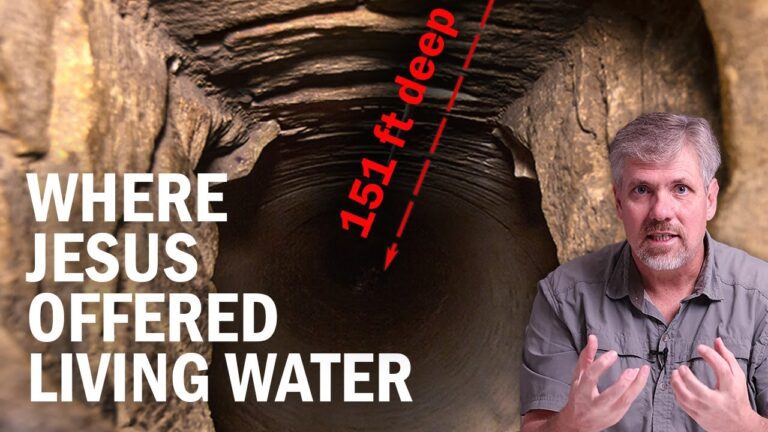
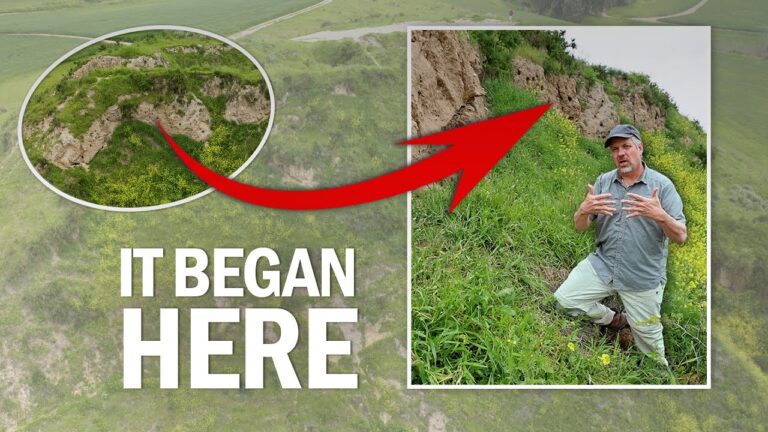
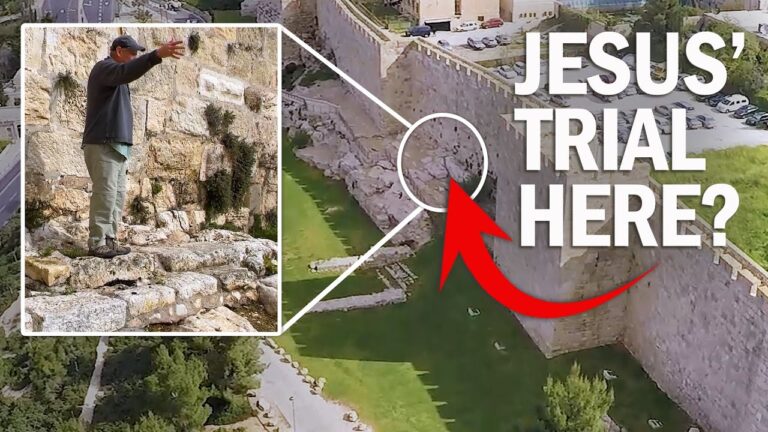
Biblical archaeologist Joel Kramer takes viewers into a hidden cave to show them an ancient Christian inscription that offers direct extra-biblical, archaeological evidence for Jesus.
Resume
En nylig opdagelse i en hule ved Bait Loya, sydvest for Jerusalem, har afsløret en græsk inskription, der giver direkte arkæologisk bevis for Jesus fra Nazaret. Inskriptionen, der dateres til slutningen af det 2. århundrede e.Kr., indeholder ordene "Jesus er til stede" og er indrammet af symboler for korset, som er det centrale symbol i kristendommen. Denne opdagelse er betydningsfuld, da den kan være en af de tidligste inskriptioner, der nævner Jesus, og den stammer fra en tid med intens romersk forfølgelse af kristne, hvor menigheder ofte mødtes i hemmelighed i underjordiske rum. Korset, der indgår i inskriptionen, henviser til Jesu død og opstandelse, som er centrale elementer i den kristne tro. Ifølge Bibelen kom Gud til jorden som menneske for at tage straffen for menneskers synder på sig selv, hvilket muliggør tilgivelse og nærhed til Gud. Inskriptionen i Bait Loya udfordrer påstanden om, at der ikke findes arkæologiske beviser for Jesus, og understreger vigtigheden af denne opdagelse som et konkret bevis for den historiske Jesus, der har haft en dyb indflydelse på tro og kultur gennem århundreder.
Læs transskription
welcome to expedition bible i’m joel kramer today we’re going to be talking about an inscription that’s not very well known but very significant because it provides direct archaeological evidence for jesus of nazareth so there’s an area that’s located to the southwest of jerusalem and about five miles east of lakeish in this area is an archaeological site called bait loya and within the ruins themselves and in the surrounding hills are many many caves and it’s in one of these caves that has a fig tree growing out of it you actually have to climb through the leaves of this fig tree to get down into the cave where you can see on the side of this limestone wall this huge greek inscription in fact there’s a shot of me walking between the camera and the inscription that shows you just how big this inscription is fortunately this inscription has been published it starts with a simple cross a very early version of the cross followed by two greek words all of them in uppercase greek letters the first word is a name and it’s translated jesus the second greek word is translated present so this inscription is translated jesus is present there’s another cross a fancier cross underneath the inscription that is believed to have been added later the inscription dates to the end of the second century a.d or maybe into the beginning of the third century a.d so we’re talking about the late 100s to early 200s a.d very early inscription it is at the very least one of the earliest inscriptions mentioning jesus possibly the oldest inscription mentioning jesus so now why is this inscription underground in a cave because it dates to the time period when there was intense persecution by the romans against christians so the church often met literally underground as they did in this cave now how do we know that the jesus and the inscription is the jesus of the new testament well it’s the symbol of the crosses that begin and end this inscription so the cross is the main symbol of christianity the bible teaches that all men are sinful and so god so loved the world that he came down from heaven he became a man he took on a body of flesh and blood for the purpose of taking the punishment of sin upon himself and he died on the cross in our place so that we could be forgiven and that sin that separates us from god could be removed and we could draw near to god why did the inscriber inscribe jesus is present because jesus didn’t stay dead but being god he was raised from the dead on the third day jesus promised for where two or three are gathered in my name there am i in their midst and this cave at bait loya is just such a place now i can’t tell you how many lectures i’ve sat through or how many articles that i’ve read that have made the claim that there is no archaeological evidence for jesus of nazareth and this simply isn’t true this inscription at bay loya isn’t the only one but it is very significant because being around 1800 years old it provides direct archaeological evidence for the historical jesus [Music] you